.png)
How Neighborhood Vibes Affect Daily Life
- Traci Fowler

- May 6
- 3 min read
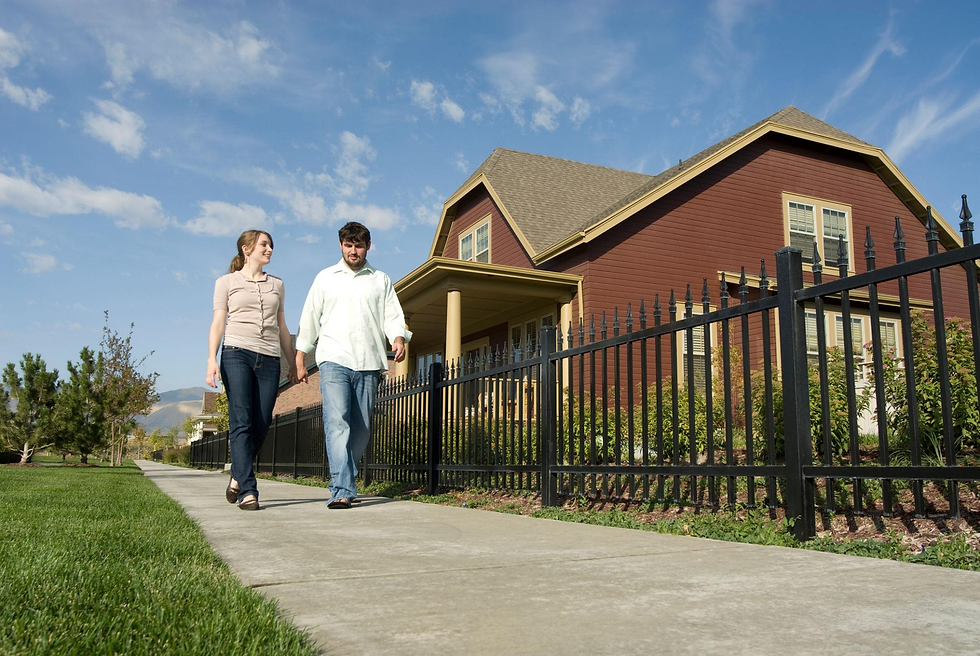
When buyers search for a home, they are not just buying a property. They are also choosing a lifestyle, community, and daily environment. The overall “vibe” of a neighborhood can have a major impact on comfort, happiness, routines, and long-term satisfaction.
Even two neighborhoods with similar home prices and layouts can feel completely different depending on the atmosphere, energy, and community culture.
What Creates a Neighborhood’s “Vibe”?
A neighborhood’s vibe is shaped by a combination of factors, including:
Residents
Architecture
Walkability
Noise levels
Traffic
Parks and public spaces
Local businesses
Community activity
Overall energy
Some neighborhoods feel:
Quiet and residential
Trendy and energetic
Family-oriented
Luxury-focused
Artistic and creative
Urban and fast-paced
The right fit depends on each buyer’s personality and lifestyle priorities.
Daily Routines Are Influenced by the Neighborhood
Neighborhood atmosphere can shape everyday habits and routines.
For example:
Walkable areas may encourage more outdoor activity
Quiet suburbs may support relaxation and family routines
Urban districts may offer nightlife and convenience
Nature-focused communities may encourage outdoor recreation
The surrounding environment often affects how people spend their free time and interact with others.
Community Interaction Matters
Some neighborhoods naturally encourage stronger social interaction.
Features that often build community include:
Parks
Sidewalks
Community events
Farmers markets
Local cafes
Dog parks
Shared gathering spaces
In active neighborhoods, residents may:
Know their neighbors
Spend more time outdoors
Participate in local events
Build stronger community connections
Other buyers may prefer more private and quieter environments with less social activity.
Noise and Activity Levels Affect Comfort
Different neighborhoods offer very different energy levels.
Some buyers enjoy:
Busy restaurants
Nightlife
High foot traffic
Active entertainment districts
Others prioritize:
Peace and quiet
Minimal traffic
Low noise
Privacy
A neighborhood that feels exciting to one buyer may feel overwhelming to another.
Family-Friendly vs Urban Lifestyles
Families often prioritize neighborhoods with:
Good schools
Parks
Quiet streets
Community events
Outdoor space
Meanwhile, young professionals may prefer:
Walkability
Dining options
Transit access
Entertainment
Short commutes
The ideal neighborhood vibe often changes with different life stages and priorities.
Local Businesses Shape Atmosphere
Restaurants, coffee shops, boutiques, and public gathering spaces help define neighborhood character.
Areas with thriving local businesses may feel:
More vibrant
More social
More walkable
More community-oriented
The style of local businesses can also influence whether a neighborhood feels:
Luxury-oriented
Casual
Trendy
Historic
Family-centered
Outdoor Spaces Influence Lifestyle
Neighborhoods with parks, trails, and green spaces often encourage:
Exercise
Dog walking
Family activities
Community interaction
Access to outdoor amenities can strongly affect daily routines and overall quality of life.
In California especially, outdoor living is a major lifestyle factor for many buyers.
Long-Term Satisfaction Often Depends on the Neighborhood
Buyers sometimes focus heavily on the house itself and overlook how much the surrounding environment impacts long-term happiness.
Over time, neighborhood factors may affect:
Stress levels
Social life
Convenience
Commute experience
Daily enjoyment
Sense of belonging
Many homeowners eventually realize they spend just as much time experiencing the neighborhood as they do inside the home.
Visit Neighborhoods at Different Times
A neighborhood can feel very different depending on:
Time of day
Weekday vs weekend
School hours
Evening activity
Traffic patterns
Buyers often benefit from visiting neighborhoods multiple times before making a decision.
This can help reveal:
Noise levels
Parking conditions
Community activity
Overall atmosphere
The Bottom Line
Neighborhood vibes play a major role in shaping daily life and long-term satisfaction with a home purchase.
The right neighborhood can support:
Lifestyle goals
Convenience
Social connection
Relaxation
Outdoor activity
Work-life balance


Comments